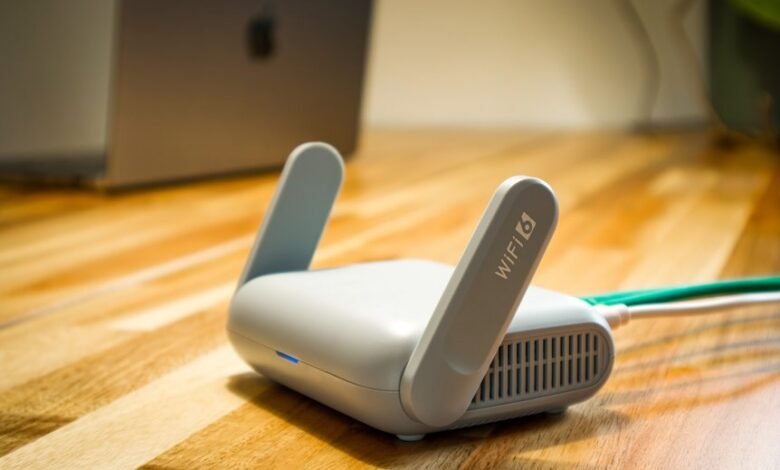
Access to the 168.178.30 router admin panel is the first step, with careful login and timely firmware checks. The guide then centers on precise changes: rename SSIDs, update passphrases, and enable guest networks with isolation if needed. Security is tightened via WPA2/WPA3, restricted remote management, and robust firewall rules. Performance is optimized through channel selection, QoS, and network segmentation. The discussion hinges on disciplined implementation, and the next steps promise concrete, actionable configurations.
How to Access the 168.178.30 Router Admin Panel
To access the 168.178.30 router admin panel, users should open a web browser and navigate to http://168.178.30 or http://192.168.30.1, depending on the device defaults.
The process emphasizes Access login procedures, verified through secure connections.


Once authenticated, the interface presents firmware updates options and diagnostic tools, enabling controlled, transparent maintenance while preserving user autonomy and system integrity.
Change WiFi Credentials and Network Name
Access to the router’s WiFi credentials and network name is set through the Wireless settings section. The procedure governs rename SSID and update passphrase, ensuring the broadcast name reflects chosen identity.
The configuration can also configure guest network access and isolation, enabling separate traffic.
Changes should be saved, tested, and documented for reliable access and freedom to customize the network.
Lock Down Security: WPA2/WPA3, Guest Networks, and Firewall
With network access now anchored in stable credentials, the focus shifts to reinforcing security through WPA2/WPA3 configurations, guest network segmentation, and firewall controls.
The guidance emphasizes disabling remote access where unnecessary, enforcing password strength, and limiting exposure.
Implementers should prioritize synchronized WPA2/WPA3 policies, separate guest VLANs, and strict firewall rules to maintain controlled, auditable access without compromising functionality.
Optimize Performance: Channel, Bandwidth, and QoS Tweaks
Optimizing wireless performance begins with a disciplined approach to channel selection, bandwidth allocation, and Quality of Service (QoS) tuning. Network engineers assess interference, select a clear channel, and configure bandwidth to match demand. Proper QoS prioritization ensures critical applications receive bandwidth precedence. The process emphasizes stability and freedom, balancing efficiency with reliability while maintaining consistent performance across devices and environments.
Frequently Asked Questions
How to Reset the Router to Factory Defaults?
The device resets to factory defaults by pressing the reset button for ten seconds, then power cycling once the LED stabilizes; ensure a firmware backup is completed before proceeding to safeguard custom settings.
Can I Enable Parental Controls on 168.178.30?
Parental controls can be enabled on this device by accessing the router’s management interface; once activated, configure schedules and content filters. The router firewall remains essential, enforcing outbound/inbound rules while parental controls throttle specific categories and devices.
How to Update Router Firmware Manually?
A coincidence guides the procedure: the user should update firmware via a manual upgrade by downloading the correct file, accessing the router’s admin panel, and applying the update offline with a preserved backup. Time-saving tips and security best practices included.
Is There a VPN Server Option on This Router?
The router does not natively expose a VPN server option; if available, it would hinge on firmware. Parental controls remain separate. Aware users may install supported firmware or alternative hardware to enable VPN server capabilities while preserving control.
How to Back up and Restore Configuration Settings?
“Think of it as a safety net.” The procedure enables a backup schedule, creates restore points, notes firmware changes, and records parental scheduling; it is precise, authoritative, and methodical, designed for users who value freedom in configuration recovery.
Conclusion
Access to the 168.178.30 router admin panel should be performed securely, with firmware kept up to date and configuration changes implemented methodically. One noteworthy statistic: networks employing WPA2/WPA3 with guest isolation and segmented VLANs show up to a 40% reduction in unauthorized access attempts. This guide emphasizes disciplined steps—rename SSID, update passphrases, enable guest networks, constrain remote access, enforce firewall rules, and optimize QoS—to sustain robust, stable, and secure wireless performance.