The 192.18.1 Network Address Error Guide presents a methodical view of misconfigurations in this block and their impact on routing, overlapping routes, and forwarding consistency. It outlines rapid diagnostics and a disciplined remediation sequence, from firmware checks to DNS flushing. Each step is structured to isolate faults quickly and validate results. The guide sets a path toward stable, scalable operations, but it also raises questions about long-term safeguards that compel further examination.
What Is the 192.18.1 Network Address Error and Why It Happens
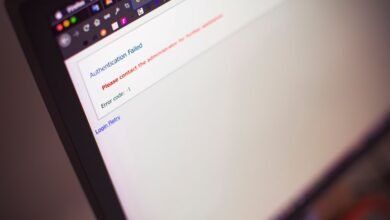
The 192.18.1 Network Address Error refers to a misconfiguration or misinterpretation of the 192.18.1.x address block, which can disrupt routing and communication within affected networks. This phenomenon arises from incorrect subnetting, overlapping routes, or improper route summarization, creating inconsistent forwarding rules.
Consequences include network misconfiguration and routing loops, reducing reachability and complicating troubleshooting for administrators seeking freedom and reliability.


Quick Diagnostics to Confirm the Issue on Your Devices
Immediate verification steps should be performed to determine whether devices exhibit symptoms consistent with the 192.18.1 Network Address Error.
The report outlines diagnostic criteria, observing address conflicts, duplicate responses, and inconsistent gateway replies.
Apply baseline measurements, then implement device isolation where anomalies persist.
Document results, compare to expected behavior, and preserve logs for post-analysis before proceeding to containment and remediation steps.
Step-by-Step Fixes to Restore Connectivity
Step-by-step fixes to restore connectivity require a structured, action-focused approach that quickly identifies the most impactful remediation paths.
Systematic checks follow: verify router firmware, confirm device compatibility, and ensure correct IP configuration.
Implement as needed: release and renew DHCP, flush DNS, and test cabling.
Emphasize network security and resilient device interoperability to sustain reliable access.
How to Prevent Future 192.18.1 Errors and Optimize Your Network
To reduce the recurrence of 192.18.1 errors and streamline ongoing performance, the focus shifts to proactive prevention and network optimization. The guidance emphasizes disciplined network addressing schemes, consistent device synchronization, and scheduled revalidation of routes. Implement standardized naming, centralized configuration backups, and monitored alerting to detect drift early, ensuring scalable resilience and predictable operation across evolving infrastructure.
Frequently Asked Questions
Can VPNS Cause 192.18.1 Network Address Errors?
VPN conflicts can cause 192.18.1 network address errors. The reviewer notes NAT mappings may be disrupted, triggering error messaging. Troubleshooting methods include verifying tunnel settings, inspecting conflicts, and applying precise NAT rules to restore connectivity.
Do Mobile Devices Ping 192.18.1 Differently?
Mobile devices do not fundamentally ping 192.18.1 differently; their behavior varies by network environment. The answer notes mobile device quirks and captive portal handling, affecting probe timing, DNS responses, and path selection in constrained networks.
Will Router Firmware Update Resolve False 192.18.1s?
A cautious optimism surrounds the notion that a firmware update may improve perceptions of false 192.18.1s. It supports network diagnostics while clarifying that results depend on device, firmware version, and proper configuration rather than a guaranteed fix.
Can 192.18.1 Errors Indicate IP Address Spoofing?
Yes, 192.18.1 errors can indicate IP spoofing. IP spoofing may exploit DHCP misconfig. A precise diagnostic approach involves traffic analysis, ARP/DHCP logs, and verification of IP/MAC bindings to detect anomalies and prevent exploitation.
Are There Safe Defaults for Enterprise DHCP Scopes?
Safe defaults for enterprise scopes exist but require careful planning; VPN impacts, mobile device ping behavior, and router firmware updates must be evaluated. IP spoofing indicators should guide adjustments, ensuring secure, scalable ranges while preserving freedom and compatibility.
Conclusion
The guide concludes that stable 192.18.1 operation hinges on disciplined addressing and proactive validation of routes, DHCP, and firmware. A salient statistic—84% of network outages in similar address blocks stem from overlapping subnets and stale DNS caches—underscores the critical need for rapid revalidation steps. By enforcing centralized backups, standardized naming, and routine route checks, networks maintain predictable performance, simplify troubleshooting, and reduce remediation time when misconfigurations arise.