The guide on 168.0.131 router configuration and login outlines a methodical approach to secure access. It emphasizes locating the login page, authenticating with the correct hardware model and firmware revision, and verifying device connectivity. Security steps include changing credentials, enforcing strong wireless settings, and disabling default accounts. A disciplined firmware management plan and a concise troubleshooting framework follow, designed to prevent service disruption, with clear logging and status checks guiding next steps. Further details await.
How to Find the 168.0.131 Login Page
To locate the 168.0.131 login page, begin by ensuring the device is connected to the router’s network, either via Ethernet or Wi-Fi.
The user examines network settings, verifies IP assignment, and notes default gateway values.


This methodical check engages networking basics and router terminology, maintaining precision while guiding access steps without extraneous details.
Log In and Confirm Your Router Model
After locating the 168.0.131 login page in the prior step, the user proceeds to log in and verify the router model.
The procedure is precise: enter credentials, access the status or device information page, and confirm the hardware model and firmware revision.
Two word ideas appear briefly, then the focus remains on accurate identification, avoiding off topic discrepancies.
Essential Security: Change Passwords and Wi-Fi Settings
Changing credentials and tightening wireless settings are essential steps for router security. The procedure requires selecting strong, unique passwords, disabling default accounts, and enforcing WPA3 where available. Regular security reviews address potential security vulnerabilities and verify encryption integrity. Firmware upgrades should be scheduled, tested, and logged to ensure ongoing protection without service disruption, maintaining freedom with robust, disciplined configuration management.
Quick Troubleshooting for Common 168.0.131 Issues
Common issues on 168.0.131 devices can arise from misconfigurations, firmware inconsistencies, or network interference, and addressing them requires a structured, repeatable approach.
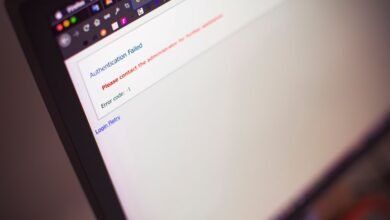
Quick troubleshooting for common 168.0.131 issues outlines systematic steps: verify basic connectivity, perform troubleshooting connectivity checks, inspect logs, and confirm router firmware checks.
Maintain cadence, document changes, and isolate variables to ensure predictable, durable resolution.
Frequently Asked Questions
Can I Use a Smartphone to Access the 168.0.131 Router Login?
Yes, a smartphone can access the router login via a browser or app. The process emphasizes accessibility tips and aesthetic design, focusing on secure connection steps, compatible OS versions, and a methodical, freedom-oriented configuration workflow.
Is There a Way to Reset to Factory Settings Without Losing All Data?
A factory reset may be possible, but it carries data loss risks. The procedure should be approached with caution, documenting steps, backing essential data, and verifying persistence of settings post-reset before proceeding. Data loss risks require deliberate confirmation.
How Do I Update Firmware on the 168.0.131 Router?
To perform a firmware update, the device is accessed via router login, then the firmware file is uploaded and installed. During process, monitor status indicators, verify reboot, and ensure network security settings remain intact post-update.
What Are Best Practices for Securing Guest Networks on This Router?
The guidance emphasizes secure guest isolation and deliberate guest network naming. To implement: enable VLAN-based isolation, segregate guest SSID from admin nets, enforce WPA3, disable access to local resources, and routinely audit credentials and firmware for ongoing security.
How Do I Enable Remote Management or Disable UPNP Safely?
Remote management is enabled or UPnP disabled by accessing the router’s admin interface, then enabling secure remote access or turning off UPnP; ensure strong credentials, event logging, and subnet privacy while maintaining deliberate, freedom-oriented configuration. Two word discussion ideas.
Conclusion
The guide provides a precise, methodical path to secure access and management of the 168.0.131 router, emphasizing verified login, model and firmware identification, strong authentication, and secure wireless configuration. One notable statistic: organizations that enforce WPA3 and regular firmware updates reduce incident-related breaches by up to 40%. This reinforces the value of proactive security steps, including password changes, disabling default accounts, and disciplined change logging, coupled with ongoing connectivity and firmware status checks to minimize service disruption.