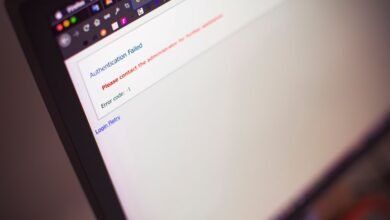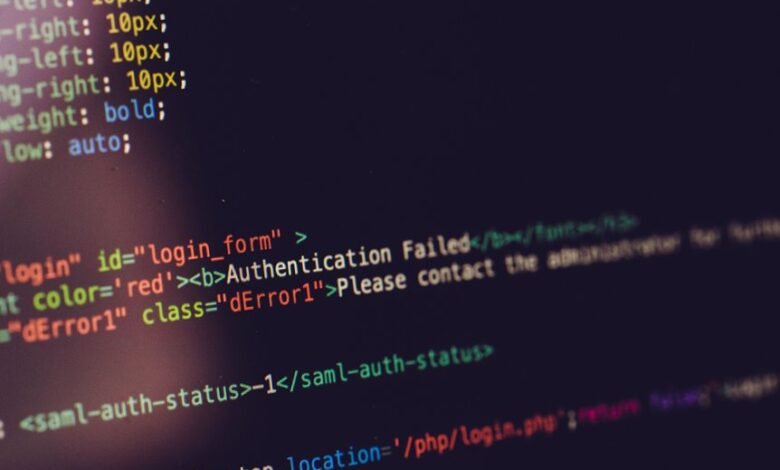
The guide on 168.178.60 router login and settings presents a methodical path to secure access. It outlines trusted networks, modern browsers, and verified HTTPS, with emphasis on strong credentials. The admin panel is described in clear terms, covering Home, Status, and Advanced sections. It explains configuring SSID, passphrases, and encryption, alongside parental controls, guest networks, and QoS within a controlled framework. The next steps promise practical safeguards and precise configurations, inviting careful implementation.
How to Securely Log in to 168.178.60 Router
To securely log in to the 168.178.60 router, access should be performed from a trusted network connection using a modern web browser.
A secure login procedure prioritizes strong credentials, updated firmware, and verified HTTPS. Default credentials must be changed, and two-factor authentication considered where available. This approach strengthens router security while preserving user autonomy and freedom.

Accessing the Admin Panel: Interface Overview and Basics
Access to the admin panel follows the secure login procedure described previously, then proceeds to outline the interface structure and core functions.
The overview enumerates home, status, and advanced sections, detailing navigation, terminology, and essential controls.
It notes interface limitations and the interaction model, while emphasizing stable router firmware as the foundation for consistent configuration access and predictable performance.
Configure Wi-Fi Name, Password, and Security Settings
Configuring the Wi-Fi name, password, and security settings involves methodically updating the SSID, passphrase, and encryption method to ensure both visibility and protection of the network.
The process emphasizes Wi Fi naming clarity, robust Security configuration, and clear policy boundaries.
It supports user autonomy while outlining Parental controls and Guest networks options within a controlled, precise framework.
Parental Controls, Guest Networks, and Advanced Options
Parental controls, guest networks, and advanced options provide structured mechanisms to manage household connectivity without compromising security.
The router’s parental controls enable scheduling and content filtering, while guest networks segregate visitors from main devices.
Advanced options offer firmware updates, QoS adjustments, and backup settings.
Administrators implement these features with precision to balance openness, control, and network reliability in everyday use.
Frequently Asked Questions
How to Reset the Router to Factory Defaults?
The reset procedure restores factory default settings. To proceed, locate the reset button, press and hold briefly, then release; note that this action erases custom configurations. Afterward, reconfigure network settings to suit personal preferences.
Can I Update the Router’s Firmware Manually?
Yes, a firmware upgrade can be performed manually. The process requires downloading the official image, accessing the router’s admin panel, selecting manual update, then applying firmware upgrade and enabling network printer sharing along with USB sharing for local devices.
What to Do if I Forget the Admin Password?
If the admin password is forgotten, perform a factory reset, then configure security update and parental controls from default credentials; promptly re-secure the network, update firmware, and set robust access restrictions to preserve freedom and control.
How to Clone MAC Addresses for Devices?
To clone MAC addresses, access the router’s network settings, enable MAC cloning, and apply the change; for devices, manually replicate each MAC. Perform a manual firmware update afterward to ensure compatibility and maintain security across the network.
Is There a Usb/Network Printer Sharing Option?
Printer sharing is possible via USB networking on compatible routers. Like a key turning smoothly, it enables devices to access a USB-connected printer across the network. The method is precise, authoritative, and suitable for users valuing freedom.
Conclusion
In summation, the 168.178.60 router setup is executed with disciplined precision: confirm a trusted network, log into the admin panel via HTTPS, and deploy strong credentials for ongoing protection. Systematically configure SSID, passphrase, and encryption, then enable parental controls, guest network access, and QoS as appropriate. Regular firmware updates and, where possible, two-factor authentication further fortify security. Like a steam-powered computer from 1884, this process remains robust, steady, and relentlessly dependable.