The 168.20.1 Default Gateway Login Guide outlines essential steps for accessing and managing a network gateway. It provides device-agnostic procedures, from locating the gateway address to authenticating with robust credentials. The guide also covers common issues, post-login hardening, and ongoing maintenance. A precise sequence and clear troubleshooting are emphasized, with emphasis on secure configuration after access. The topic invites practical examination of each step, urging careful preparation before progress becomes possible.
What Is the 168.20.1 Gateway and Why It Matters
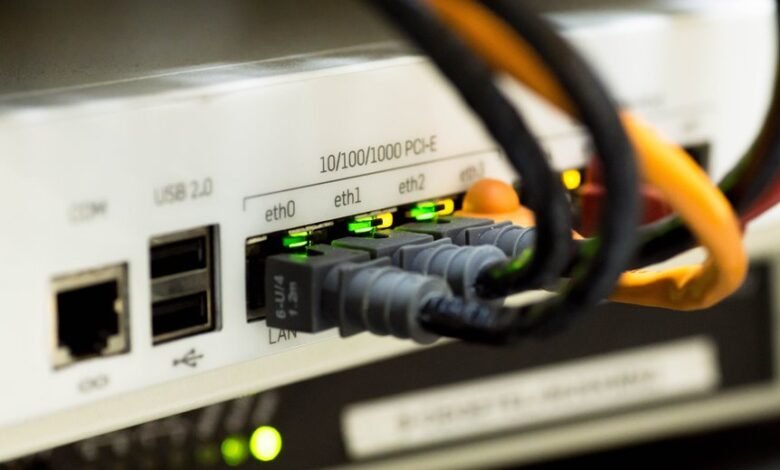
The 168.20.1 gateway refers to a specific network device acting as the primary access point between a local network and external networks, typically providing routing, address translation, and management interfaces. It functions under gateway standards, enforcing policy, security, and traffic control while maintaining reliability.
Consider privacy implications; data handling and exposure depend on configuration, encryption, and administrator discipline to preserve user autonomy.


Quick Login Steps for Different Devices
Getting into the 168.20.1 gateway promptly requires device-specific steps: on Windows, macOS, and mobile platforms, users should locate the gateway address, open a web browser, and authenticate with the admin credentials.
Quick login steps emphasize login strings and device compatibility, ensuring consistent access across systems.
The process remains precise, replicable, and focused on secure, streamlined entry for informed users.
Troubleshooting Common Login Problems and Recovery
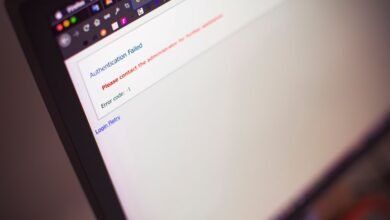
Common login issues with the 168.20.1 gateway are addressed by a structured diagnostic approach: users should verify network connectivity, confirm the correct gateway address, and ensure the device is on the same subnet.
When access remains blocked, methodically test credentials, perform troubleshooting passwords strategies, and schedule router reboots for resets, documenting results and restoring normal operation promptly.
Securely Configuring Your Router After Login
Securely configuring the router after login requires a disciplined, stepwise approach that minimizes exposure and ensures baseline security. In this phase, practitioners standardize firmware updates, disable unused services, and enforce strong admin credentials. Documentation supports discussion ideas for credential rotation and audit trails. Emphasize router security by segmenting networks, enabling logging, and applying access controls to limit administrative reach.
Frequently Asked Questions
Can I Change the Default 168.20.1 Login Portal URL?
The answer: Yes, one can change the default 168.20.1 login portal URL by configuring a custom login path, enabling Change portal URL while preserving security measures; plan, implement, test, and document the Custom login path comprehensively for reliability.
What Are Common Security Risks With the 168.20.1 Gateway?
Security risks include outdated firmware and unpatched vulnerabilities. The report notes persistent exposure through misconfigurations, weak credentials, and insecure remote access. Security updates and firmware reliability are critical, with consistent monitoring, prompt patches, and rigorous configuration hardening demanded.
How Do I Reset the 168.20.1 Admin Password Safely?
The reset procedure should be performed using physical access, verified power stability, and official documentation. After resetting, apply security hardening steps: update firmware, reconfigure strong credentials, disable unused services, and audit access logs to ensure ongoing protection.
Does 168.20.1 Support Two-Factor Authentication?
Two factor authentication is not supported by the 168.20.1 login portal. The system relies on standard credentials. Users seeking enhanced security should implement network-wide MFA where feasible, while recognizing the gateway’s authentication limitations and documented configuration options.
Can I Access the 168.20.1 Admin Router Remotely?
Remote access may be possible within authorized bounds, but firewall rules dictate strict constraints; the administrator should ensure secure configurations to mitigate exposure. The question reflects a cautious stance toward remote admin capabilities and policy compliance.
Conclusion
The 168.20.1 gateway stands as a quiet lighthouse in a sea of devices. Its login door, a hinge between control and exposure, gathers keys in a tidy, methodical drawer. When credentials align, the harbor lights—firmware, settings, privacy—glow in unison, signaling a shipshape network. Yet misstep—weak passwords or forgotten logs—casts a fog over the fleet. Proper post-login discipline becomes the steady oar, steering toward secure shores and reliable, resilient connectivity.