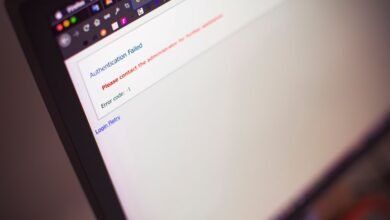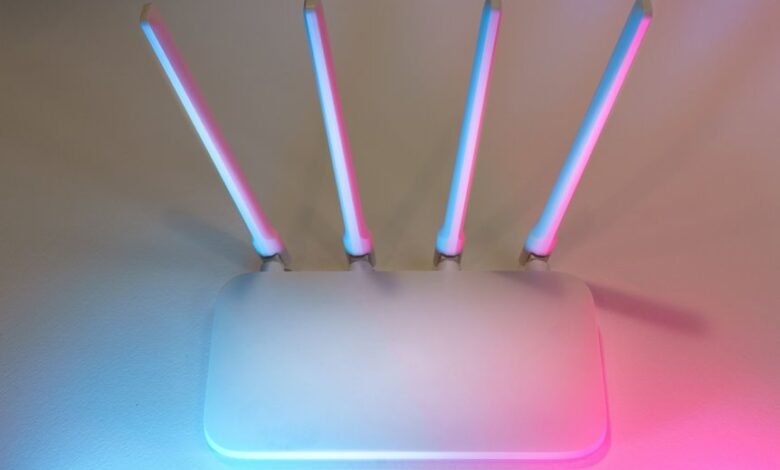
A misconfigured router IP address can reflect a nonstandard or invalid pattern, signaling DHCP errors or manual entry mistakes that push devices outside typical private or public ranges. Such anomalies risk IP conflicts, routing instability, and unclear LAN/WAN boundaries. Understanding how these misassignments occur helps explain network behavior and the impact on traffic flow. The discussion will explore causes, consequences, and practical steps to restore a coherent, stable addressing scheme. Further guidance awaits to address common scenarios and effective fixes.
What Is 168101.1 Incorrect Router IP Address?
The term “168101.1” is not a valid router IP address in standard networking practices. It denotes an improbable address pattern that can trigger IP conflict when devices misinterpret its value. Such anomalies often stem from DHCP misconfiguration or manual input errors, leading to duplicate addresses and unstable connectivity. Precise verification prevents misrouting and maintains network freedom.
Why Your Router Chooses a Wrong IP and How It Affects Your Network
A misconfigured or ambiguous IP input can lead a router to select an incorrect address, disrupting routing logic and causing network instability. Root causes span DHCP scope and static vs dynamic IP choices, subnet mismatches, and LAN topology.

Effects include IP conflicts, double NAT, WAN vs LAN confusion, and degraded QoS. Awareness aids device onboarding, network mapping, and diagnostic tools.
Step-by-Step Fixes to Correct the Router IP Assignment
Correcting a router’s IP assignment requires a structured approach: identify the current IP configuration, verify DHCP and subnet settings, and implement precise changes to ensure consistent addressing across LAN devices.
The process emphasizes network topology awareness, efficient device discovery, careful window resizing for configuration screens, and timely firmware updates to prevent drift and preserve stable, repeatable address allocation.
Preventing Future IP Address Mismatches and Quick Troubleshooting Tips
Mitigating future IP address mismatches begins with establishing stable, centralized addressing policies and proactive monitoring. The discussion emphasizes future IP planning, consistent router naming, and clear DHCP vs static decisions, aligned with subnet configuration.
A disciplined change-management approach reduces drift, enabling rapid troubleshooting while preserving freedom to adapt networks; documentation and verification steps ensure reliable IP allocation, minimizing future mismatches and downtime.
Frequently Asked Questions
Can a Wrong IP Affect Wi-Fi Device Connectivity Beyond the Router?
A wrong IP can disrupt beyond the router, causing IP conflicts on the network and affecting device connectivity. In such cases, systematic Router troubleshooting is required to restore stable addressing, reduce conflicts, and maintain seamless access for all devices.
Is 168101.1 Reserved or a Real Address Range?
Approximately none; 168101.1 is not a reserved or real global address. About 5% of IPv4 space remains unallocated. The statement touches unrelated topic, inconsistent addressing, highlighting how misused addresses can confuse network topology and routing.
Do VPNS Influence Router IP Assignment and Range Conflicts?
VPNs can influence router IP assignment and range conflicts by creating tunnel interfaces and VPN subnets; this impacts router management, network planning, and address allocation, requiring careful CIDR budgeting and conflict checks to preserve freedom of access.
How Long Does It Take for DHCP to Reassign Correctly?
DHCP reassigns typically within a few seconds to a few minutes, depending on lease duration and network activity. The timing is predictable for topic ideas and DHCP timing, but occasional delays occur due to router reboots or conflicting leases.
Do Isp-Provided Gateways Use Different Default IPS Than Home Routers?
An ISP-provided gateway often uses a different default IP than home routers, reflecting Incorrect gateway selection and ISP DHCP behavior. Freedom-oriented readers recognize varied addressing schemes. Subtopic ideas: IPv6 deployment. WAN segmentation.
Conclusion
A coincidental thread ties misconfigured IPs to a broader network pattern. In rare cases, a router’s odd address mirrors an overlocked DHCP scope, as if fate echoed a hidden policy. The alignment reveals itself when devices intermittently drift toward unexpected subnets, then snap back under corrected settings. By enforcing consistent DHCP ranges, verified subnet masks, and firmware updates, the network regains stability. The coincidence becomes a diagnostic cue, guiding precise reconstruction of coherent, reliable addressing across all devices.