The discussion centers on 192.168.1.1 as the gateway for home networks and its role in router administration. It outlines how to access the admin panel via a browser and secure the device with strong credentials, updated firmware, and proper remote management settings. The topic also covers essential configurations and common issues that can arise. Further considerations will explore reliable procedures and concrete steps to maintain a robust, secure network environment.
What Is 192.168.1.1 and Why It Matters for Your Router
192.168.1.1 is a private IP address used as the default gateway for many home routers. The designation centralizes device communication, enabling local networks to function with predictable routing. Subtopic relevance emerges as a foundational concept, guiding configuration choices and security considerations. Router jargon crystallizes into concrete actions, ensuring precise understanding without overcomplication for freedom-minded administrators.
Accessing the Admin Panel: Step-By-Step Login Guidance
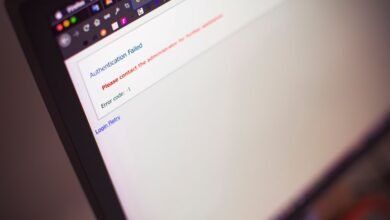
Access to the router’s admin panel is obtained by directing a web browser to the device’s gateway address and logging in with the appropriate credentials. The process is methodical: enter the IP, submit credentials, verify access, and note any security prompts. idea one avoids subtopic drift, idea two clarifies navigation, while irrelevant focus is excluded to preserve clarity and freedom.

Essential Settings to Configure for a Secure Home Network
To establish a secure home network, it is essential to configure a series of core settings in a precise, methodical manner.
Network security requires strong admin credentials, up-to-date firmware, and disabled remote management.
Enforce WPA3 or equivalent, segment traffic, and enable device isolation.
Apply unique, non-default SSIDs and consistent monitoring; document changes for ongoing, autonomous governance and security posture verification.
Troubleshooting Common Login and Connectivity Issues
Common login and connectivity problems are addressed methodically by confirming basic prerequisites, verifying hardware status, and applying targeted configuration checks.
Troubleshooting proceeds with diagnostic steps, confirming IP assignments, DNS resolution, and gateway reachability, then isolating variables.
Consider network latency implications and ensure firmware updates are current; document changes, perform resets only when necessary, and re-test connectivity to confirm resolution.
Frequently Asked Questions
Can I Login With a Mobile Browser on 192.168.1.1?
Yes, a mobile browser can access 192.168.1.1 for login, depending on device compatibility. The method is precise and methodical: use a supported mobile browser, ensure network connectivity, and enter the gateway address exactly for secure access.
What if My Router Uses a Different Default IP Address?
If the router uses a different default, identify the alternative gateway by checking documentation or device label, then access the admin page using that address; verify connectivity, and adjust your browser or network settings accordingly.
How Do I Reset the Admin Password Securely?
Approximately 40% of breaches stem from weak credentials. The procedure to reset admin password involves a secure reset procedure: isolate device, press reset for 10–15 seconds, reconfigure with strong, unique passwords, enable MFA, and archive old credentials for password security.
Do I Need to Update Firmware Before Login?
Yes, updating firmware before login is advisable. The process should be methodical: verify authenticity, back up settings, apply updates, and reboot. Consider security considerations, document versions, and ensure uninterrupted power to minimize bricking risks.
Can I Disable Remote Admin Access Safely?
Yes, it can be disabled; a secure approach ensures no exposure. The procedure involves enabling local management only, then disabling remote admin, followed by a secure passwordchange and verification of access logs to confirm closure of external entries.
Conclusion
In summary, 192.168.1.1 serves as the network’s central control point, hosting the router’s admin interface for essential configuration and monitoring. A methodical approach—updating firmware, enforcing strong passwords, disabling remote management, and enabling modern wireless security—creates a resilient home network. An illustrative statistic: studies show that households with unique admin credentials and updated firmware reduce security incidents by up to 70%. Precision in configuration and diligent maintenance are the decisive factors in reliable connectivity.