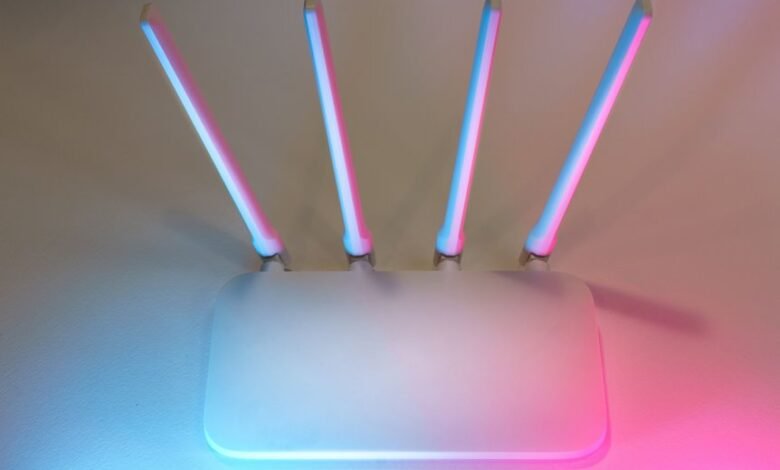
The 168.91 router setup guide presents a precise, stepwise approach to secure access and reliable networking. It covers admin panel login, credential changes, and a distinct SSID with a strong password. Configuration choices for channels, firmware, and remote management are evaluated with clear criteria. While the procedures are thorough, practical nuances remain. The discussion promises concrete checkpoints and repeatable diagnostics that compel the reader to proceed and verify each aspect before proceeding further.
How to Access the 168.91 Router Admin Panel
To access the 168.91 router admin panel, users should connect a computer or device to the router’s network and open a web browser.
The interface requires entering the default IP address, then authentication credentials from the manual.


Navigation is linear, with clearly labeled sections.
In broader terms, unrelated topic and random tangent concepts should not disrupt measured, deliberate configuration steps.
Change Default Login Credentials for Security
After establishing access to the router interface, the next step is to secure the device by changing the default login credentials. The administrator should create a unique, strong username and complex password, then disable default accounts. Enable password-protected remote management if available, log changes, and review access logs. Consider contrasting firmware choices and enabling parental controls for layered governance.
Set Up Wi-Fi Name and Password; Optimize Network Basics
The router’s wireless network should be named distinctly and secured with a strong password to prevent unauthorized access. Network naming decisions should favor unique identifiers, avoiding spaces and sensitive terms. Implement a clear password policy: length, complexity, and rotation cadence. Configure channel and bandwidth for stability, document SSID and credentials, and ensure guests receive limited access without core network exposure.
Improve Security, Performance, and Troubleshooting Tips
A systematic approach builds on the prior step of naming and securing the wireless network by extending focus to security hardening, performance optimization, and practical troubleshooting.
This phase defines an ethereal firewall posture, tight access controls, and firmware integrity checks, while evaluating packet latency.
Implement quantum routing concepts for resilience, isolating devices, documenting changes, and enabling rapid problem diagnosis with repeatable procedures.
Frequently Asked Questions
How to Reset the Router to Factory Defaults?
Reset button restores factory defaults; perform power cycle, then reconfigure. If needed, enable bridge mode, update firmware, and reapply port forwarding and parental controls after reset for secure, autonomous operation.
Can I Convert to Bridge Mode or Access Point?
A bridge or access point is possible with proper configuration, and, like a compass, it aligns paths. The process requires convert auth and disable wan, followed by static IP, DHCP off, and appropriate wireless mode selection for seamless operation.
How to Update Router Firmware Manually?
The procedure for updating firmware manually involves downloading the correct file, verifying integrity, and applying it via the router’s administration interface; this firmware security step-by-step ensures a stable system, while a manual update preserves control and freedom.
How to Port Forward Specific Applications?
Like Prometheus releasing ports, the guide explains port forwarding for specific applications: define internal and external ports, select protocol, map to the device’s IP, test application behavior, adjust rules, and safeguard traffic with minimal exposure.
What Parental Controls Are Available and How to Enable?
Parental controls are available; Enable restrictions via the router’s admin interface. Update firmware regularly, then configure schedules and content filters. Manual configuration allows tailored access, while firmware updates ensure ongoing protection and compatibility for users who value freedom.
Conclusion
This guide provides a precise, methodical workflow for securely accessing the 168.91 router, updating credentials, and establishing a robust wireless SSID and password. By enforcing strong authentication, limiting guest access, and applying disciplined firmware checks, users maintain stable performance and protection. Continuous monitoring and documented procedures enable repeatable diagnostics and rapid issue resolution. Are you prepared to implement layered security and sustain a resilient, well-managed home or small-office network?