The 168.15.9 Home Network Setup and Login Guide presents a structured workflow for securing and managing a home network. It begins with identifying the correct IP range and accessing the admin panel, then aligns the router with the subnet, updates firmware, and enforces access controls. Emphasis is placed on WPA3, unique SSIDs, centralized monitoring, and credential hygiene. Practical myths, essential settings, and systematic troubleshooting are covered, but some critical considerations remain unexplored, inviting a closer examination of the next steps.
Identify the 168.15.9 Network and Access Its Admin Panel
To identify the 168.15.9 network and access its admin panel, one should first verify that the device’s firewall and router are configured to use a compatible IP scheme, ensuring the host machine resides on the same subnet.
This process supports identifying IP range, locating admin portal, configuring router, updating firmware, and confirming access security before changes.

Secure Your Wi‑Fi: Strong Passwords and Basic Protections
Securing a wireless network begins with strong authentication and baseline protections. The analysis emphasizes robust WPA3 or equivalent, unique SSIDs, and centralized monitoring. Implement two word discussion ideas to frame decisions: resilience, auditability.
Debunk security myths with practical steps, not folklore. Enforce password rotation policies and credential hygiene, ensuring regular updates and breach-aware alerts. Technical discipline enables secure, freedom-respecting connectivity.
Configure Essential Settings: Internet, Guest Network, and Device Safety
The setup moves from enforcing strong authentication to configuring network behavior that supports reliable access and safe device operation.
Internet settings specify bandwidth, QoS, and DNS defaults for stability.
Guest access is isolated with limited privileges and expiration.
Device safety encompasses automatic firmware updates, secure remote management, and activity logging to sustain Network security and protect user assets.
Troubleshooting Common Login and Connection Issues
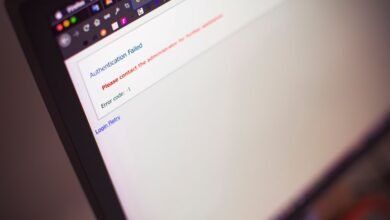
Common login and connection issues are addressed by a systematic troubleshooting approach that isolates user authentication failures, device connectivity problems, and service limitations.
The section delineates steps for troubleshooting login failures, evaluates connection issues, verifies wireless configuration, and confirms admin panel access, including router reboot, firmware checks, secure credentials, network SSIDs, and IP addressing to restore reliable access and control.
Frequently Asked Questions
What Is the Default Login Username for 168.15.9?
The default login is not specified here; router credentials vary by model. The answer notes: default login may be admin or admin; consult device documentation. Implicitly unrelated topics are irrelevant to secure access and configuration.
How to Reset the Router to Factory Settings?
The reset procedure restores the router to factory settings, removing custom configurations. It improves network security by returning default credentials and settings. This action should be performed carefully, ensuring updated firmware and secure post-reset configuration for continued freedom.
Can I Access the Admin Panel From Mobile Data?
Accessing the admin panel from mobile data is typically restricted by network policies; mobile data access limitations may prevent router login from cellular. Theoretically possible if VPN or TUNNEL is used, but security risks persist.
How to Update Router Firmware Manually?
The user can perform updating firmware via manual upgrade by accessing the router’s admin interface, selecting the firmware file, and initiating a local upgrade. Documentation emphasizes verifying compatibility, backup, and monitoring progress during manual upgrade.
Is There Guest Network Time-Limited Access Policy?
A tempered dawn spreads across screens; there is a guest network with time limited device access. Policies vary, but many routers enforce session caps, auto-logout, or portal barriers to restrict prolonged use while preserving owner control.
Conclusion
The guide concludes by reinforcing disciplined network hygiene: identify the 168.15.9 range, access the admin panel, and deploy WPA3 with unique SSIDs. Essential settings—Internet, guest isolation, device safety—are configured before ongoing monitoring and credential rotation. Regular firmware updates and breach alerts close gaps in security. Troubleshooting remains a structured, repeatable process. Like a precise key fitting a lock, small, deliberate steps secure the entire network with predictable, repeatable results.