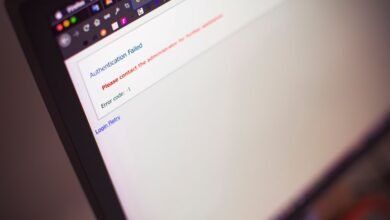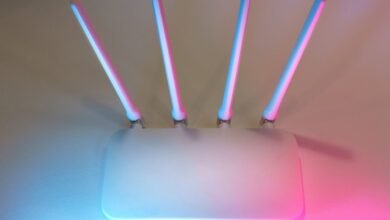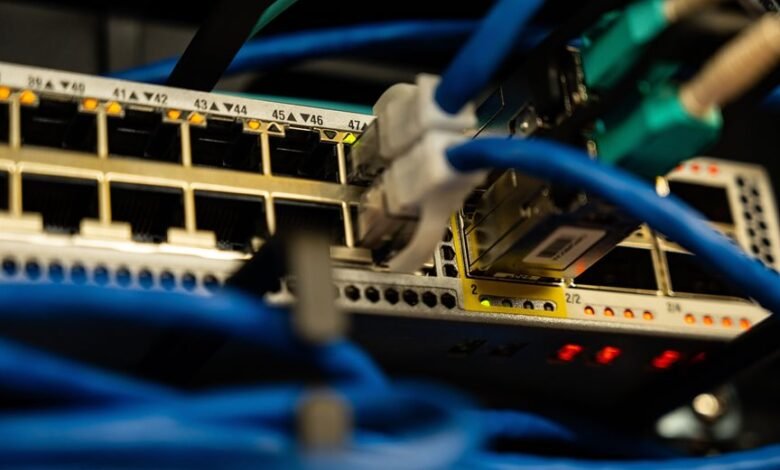
The 168.50.9 Home Router Setup Guide outlines a methodical approach to securing and optimizing a home network. It begins with device identification and baseline access, then moves to a controlled login and configuration of wireless security, passwords, and firewall rules. The guide emphasizes reliable operation through firmware updates, backups, and maintenance windows. It notes WAN/LAN awareness and recovery methods. A precise, practical path awaits further detail to ensure a resilient, high-performance network.
How to Identify Your 168.50.9 Router Model and Basics
To identify the router model and understand its basics, begin by locating the device label or sticker on the router chassis, which lists the model number, serial number, and firmware version.
Identifying model details, checking hardware label, securing admin access, choosing default password, verifying ISP compatibility, locating firmware version, identifying LED indicators, understanding WAN/LAN ports, recognizing router reset methods, distinguishing 2.4 vs 5 GHz bands.

Quick Start: Plug In, Connect, and Access the Admin Panel
Plugging in the router is the first step to establish power and begin initialization; upon connection, a device should obtain a local IP address automatically via DHCP, allowing access to the admin panel at a default gateway address.
This procedure supports idea one and idea two, enabling quick configuration, monitoring, and troubleshooting with minimal setup friction for freedom-focused users.
Secure Your Network: Wi‑Fi, Passwords, and Firewall Settings
Security should be established immediately by configuring wireless and perimeter safeguards. The section outlines strong Wi‑Fi settings, unique passwords, and robust firewall rules to limit exposure. It emphasizes secure backups of configuration data, regular rotation, and encrypted storage. It also covers guest access controls, segmented networks, and monitoring for anomalies, enabling freedom while preserving integrity and controlled access.
Keep It Running Smoothly: Firmware Updates and Parental Controls
Regular firmware updates ensure device stability, security, and compatibility with evolving standards; the router should be configured to apply updates automatically when feasible or prompted by defined maintenance windows.
Firmware updates minimize vulnerabilities while preserving performance.
Parental controls should be documented, accessible, and configurable, enabling time restrictions and content filtering without compromising network throughput or reliability for users seeking freedom and transparency in digital choice.
Frequently Asked Questions
How Do I Recover My Router Admin Password?
To recover the router admin password, perform a password recovery using the device’s web interface or reset menu, then set a new credential. If unsuccessful, execute a factory reset to restore defaults, acknowledging potential data loss and reconfiguration.
Can I Change the Router’s Default IP Address?
Yes, it is possible to change the router’s default IP address. To maintain security, change firewall settings accordingly and update firmware after reconfiguration. Ensure conflicts are avoided, document the new IP, and verify accessibility across connected devices. Freedom through control.
What Logging Options Are Available in the Admin Panel?
Logging options include system, event, and traffic logs with adjustable retention and export. Two word discussion ideas appear in summaries; privacy settings govern access. The administrator can enable, filter, and schedule log collection to support independent, flexible network oversight.
How Do I Reset the Router to Factory Settings?
The reset procedure restores factory defaults, clearing user data and settings; then perform a firmware update to ensure security. After reset, reconfigure network security, enable parental controls, and adjust options as preferred for a freedom-oriented setup.
Can I Set up a Guest Network With Restrictions?
Yes, a guest network with restrictions can be configured. The setup enforces guest access limits and device bandwidth quotas, ensuring visitors access only designated resources while preserving overall network performance and user autonomy.
Conclusion
Concluding this guide, the 168.50.9 router is positioned as a stable, well‑secured hub for home networks. By identifying the device, securing admin access, and configuring robust Wi‑Fi and firewall controls, users lay a solid foundation. Regular firmware updates and thoughtful parental controls keep performance and safety aligned with intent. Like a vigilant lighthouse, clear settings illuminate ongoing reliability, while disciplined maintenance prevents drift and degradation, ensuring uninterrupted connectivity and peace of mind.