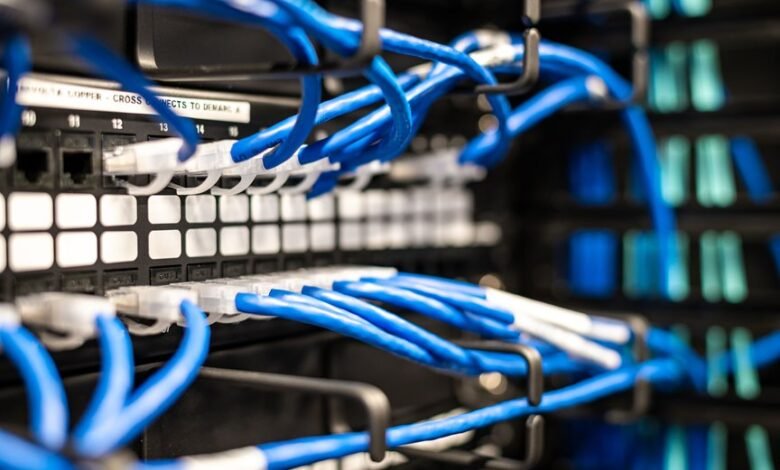
The 168.1.178 Private Network configuration guide presents a disciplined approach to internal addressing and governance. It outlines structured IP plans, deliberate subnetting, and non-routable addressing to create auditable boundaries. LAN security, device hardening, and centralized logging are covered, alongside robust wireless management and policy enforcement. A concise quick-start checklist guides baseline inventory, firmware validation, and secure management access. The framework invites critical examination of its practical implementation and the trade-offs involved, inviting further exploration of its footprint and controls.
What Is the 168.1.178 Private Network and Why It Matters
The 168.1.178 private network refers to a designated non-routable address space used within internal organizational systems to isolate and manage internal traffic. This model supports private network governance, guiding address planning and reducing public exposure. It mitigates vendor lock in by enabling modular components, yet requires disciplined management to prevent misconfigurations and unintended data leakage across boundaries.
Set Up Addressing: IP Plans, Subnets, and Gateway Choices
Determining effective IP plans, subnets, and gateway choices is essential for organizing traffic flow, enforcing security boundaries, and ensuring scalable growth within the 168.1.178 private network.


The approach emphasizes structured address allocation and deliberate subnet segmentation to balance efficiency and flexibility, enabling straightforward changes.
Gateways should reflect topologies, supporting redundant paths while preserving performance and clear, auditable network boundaries.
Secure and Optimize Your LAN: Routing, ACLs, and Device Hardening
Secure and optimize the LAN by implementing routing strategies, access control lists, and device hardening to enforce policy, reduce risk, and maintain performance.
The approach emphasizes controlled segmentation, minimal trust zones, and deterministic routing for reliability.
Privacy concerns are addressed through principled ACLs and centralized logging.
Wireless management should enforce policy, detect anomalies, and ensure secure access without compromising operational freedom.
Quick-Start Configuration Checklist and Common Troubleshooting Tips
This quick-start checklist consolidates essential configuration steps and common troubleshooting techniques for 168.1.178 network devices, enabling rapid deployment with predictable results. It emphasizes disciplined network segmentation, verified device authentication, and minimal interruption.
Steps include baseline inventory, firmware validation, secure management access, consistent VLAN assignments, and port security.
Troubleshooting focuses on connectivity, authentication errors, and path consistency, with reproducible remediation procedures.
Frequently Asked Questions
How Do I Handle IPV6 in This 168.1.178 Setup?
IPv6 deployment requires dual-stack planning, address allocation, and neighbor discovery tuning; IPv6 security demands route-based ACLs, IPsec where feasible, and periodic prefix surveillance. The approach balances freedom with disciplined configuration, documenting changes and validating end-to-end connectivity thoroughly.
Can VLANS Improve Security Within This Network?
VLAN isolation can substantially improve security by enforcing network segmentation. They provide defined boundaries, reducing broadcast domains and limiting lateral movement; this is a methodical approach. VLAN isolation, Network segmentation, strengthens defenses while preserving freedom within the environment.
What Are Best Practices for DNS in This Network?
DNS hygiene should be enforced with strict zone management, access controls, and regular audits; DNS caching should be tuned to minimize latency while preventing cache poisoning. The approach remains concise, technical, and methodical, appealing to freedom-seeking engineers.
How Do I Recover Forgotten Router Admin Credentials?
The forgotten router admin credentials require credential recovery via vendor-specific web UI or recovery mode; perform router reset if recovery fails, then reconfigure from default settings, securing access with strong credentials and updated firmware.
What Monitoring Tools Work Best for This LAN?
Monitoring tools best for this LAN include dedicated network monitoring and DNS management utilities, with emphasis on security practices. Network monitoring workflows should be methodical and concise, aligning with free-spirited administrators who value transparency, reliability, and proactive anomaly detection.
Conclusion
The 168.1.178 private network guide presents a disciplined, methodical path to secure, auditable LAN architecture. By enforcing non-routable addressing, structured IP plans, and strict device hardening, organizations gain predictable traffic flows and reproducible troubleshooting. Centralized logging and policy-driven wireless management further reduce risk and simplify governance. In short, following this framework yields robust, auditable networks—so secure it’s practically invincible—while maintaining clarity and control across the entire network lifecycle.