Access to the 168.0.196 router begins with a direct connection and a simple browser route to the admin page. The process relies on locating the default login, establishing initial security, and updating firmware from a trusted source. Each step reduces risk and sets a baseline for ongoing hardening. The guide outlines concrete actions for Wi‑Fi hardening, access controls, and consistent monitoring, but the practical path hinges on disciplined execution and careful documentation. This approach invites careful follow-through.
How to Access the 168.0.196 Router Admin Panel
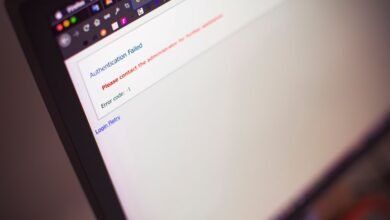
To access the 168.0.196 router admin panel, open a web browser on a device connected to the router and enter http://168.0.196 in the address bar. The login interface appears, presenting an access panel for configuration. Authenticate if required, then review network security options carefully, applying minimal, essential settings to preserve freedom while maintaining robust protection.
Locate the Default Login and Set Initial Security Basics
After gaining access to the router admin panel, the user should locate the default login information and establish the initial security baseline. The procedure emphasizes nonessential details and focuses on essential steps: identify default credentials, change them promptly, enable strong admin password, and configure basic protections. Document settings, set security policies, and verify access controls to prevent unauthorized changes and ensure stable operation.


Update Firmware and Harden Wi-Fi Settings for the Network
Firmware should be updated to the latest stable release, as this closes known vulnerabilities and adds compatibility fixes. The process prioritizes firmware security by verifying source, performing backups, and applying incremental updates with minimum downtime.
For wifi hardening, modify SSID visibility and encryption, disable WPS, use strong passwords, and enable guest isolation where available. Document changes and monitor for unexpected behavior.
Implement Access Controls and Troubleshoot Common Issues
Administrators should now define who can access the router and under what conditions, building on the prior firmware hardening by applying authentication, authorization, and accounting measures.
Implement an access policy that restricts management interfaces to trusted networks and roles, and use device grouping to segment administration.
Troubleshoot common issues with logging, session timeouts, and misconfigured ACLs for rapid resolution.
Frequently Asked Questions
How to Reset Router to Factory Defaults Safely?
The reset procedure should be performed with the router powered on, using a pinhole button for 10 seconds, then reconfiguring settings; ensure a firmware update is applied after reboot to secure the device and preserve freedom.
Can I Access the Router From a Guest Network?
Access isolation in modern networks often reduces cross-network exposure by up to 90%. The answer: From a guest network, access is typically blocked to router management and private resources; Guest network segmentation restricts administrative reach and preserves device control.
What Is the Factory Default Admin Password?
The factory default admin password is not provided here; after a factory reset, default credentials must be reconfigured by the user. For security, change default credentials promptly and document them to prevent unauthorized access.
How Do I Back up and Restore Router Settings?
To back up configuration, access the router’s admin interface, locate Backup/Export, and save the configuration file to a secure location. To restore settings, choose Import/Restore, select the saved file, and apply. The procedure preserves user-defined configurations and preferences.
Are There Parental Controls Beyond Basic IP Filtering?
Parental controls extend beyond basic IP filtering, enabling content filtering and schedule-based access. The guide suggests configuring device-level, user-group rules, and DNS filtering, offering granular control while preserving user autonomy and promoting responsible browsing.
Conclusion
Accessing the 168.0.196 router admin panel begins with a connected device and a browser to http://168.0.196, followed by credential review and immediate password changes. Firmware updates from trusted sources, along with hardened Wi‑Fi, strict access controls, and vigilant log monitoring, complete a secure baseline. A notable statistic: organizations with standardized router configurations report 30–40% fewer incidents annually. This underscores the value of consistent, documented steps for rapid troubleshooting and sustained network resilience.