In examining the 168.1.128 Router Login and Network Configuration Guide, the focus is on reliable access to the admin panel and precise device setup. The guide outlines steps to locate the default gateway, verify IP formats, and implement strong wireless credentials. It then addresses security settings, guest networks, and network monitoring. The methodical approach signals potential gaps in compatibility and troubleshooting that invite further consideration before proceeding with any configuration.
How to Find the 168.1.128 Router IP and Access Admin Panel
To locate the 168.1.128 router IP and access the admin panel, begin by identifying the device’s default gateway on a connected computer or mobile device. The determination of the gateway leads to the router IP and subsequent login page.
Steps include recognizing network details, noting IP format, and using the browser to reach the locating admin interface for configuration.


finding default gateway, locating admin interface.
Change Wi‑Fi Name and Password for Your Network
Changing the Wi‑Fi name (SSID) and password is a straightforward configuration step performed via the router’s admin interface. The procedure updates network identity and access credentials without altering connected devices. Select a distinctive SSID, set a strong password, and apply changes. Consider consistent Wi Fi branding and maintain Router aesthetics for a cohesive, secure, user‑controlled network environment.
Set Security Protocols and Guest Network Options
Configuring security protocols and guest network options entails selecting appropriate encryption standards, configuring access controls, and establishing a controlled guest environment.
This subsection outlines recommended security enhancements and disciplined guest networking configurations: enable WPA3 or equivalent, disable WPS, segregate guest traffic, apply bandwidth limits, authenticate guests, monitor connections, and maintain audit logs.
Precision here supports reliable, freedom-preserving network governance.
Troubleshooting Common Login and Connectivity Issues
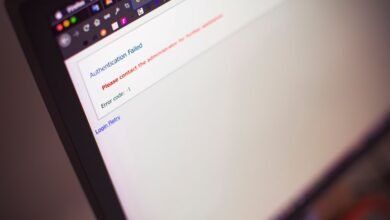
When users encounter login or connectivity problems with 168.1.128 routers, a structured, methodical approach enables rapid issue isolation and resolution. The process emphasizes reproducible steps, credential verification, and interface checks, followed by diagnostic logs and firmware posture.
Key actions include finding firmware updates and optimizing router heat management, ensuring stable sessions, reliable WAN/LAN signaling, and documented remediation paths.
Frequently Asked Questions
Can I Reset the Router to Factory Settings Without Losing Data?
A factory reset will remove custom configurations and stored settings, typically not preserving user data. It is essential to assess factory reset implications and data preservation vs reset, as data often cannot be recovered post-reset without prior backups.
How Do I Update the Router’s Firmware Manually?
Anecdote as warning: the procedure requires caution. The guide explains how to update firmware via manual install, with steps, backup configurations, and restore data. It covers reset settings, data loss risks, forgot admin password recovery, and security checks.
Can I Disable Remote Management for Extra Security?
Yes, it is possible to disable remote management. The procedure involves navigating to remote access settings, turning off remote management, and updating the admin username for added security. This approach supports changing admin username and reducing exposure.
What Should I Do if I Forget the Admin Password?
Forgot password requires a factory reset; the device returns to default credentials. Afterward, configure a new admin password and backup plan. The procedure is precise, methodical, and respects user autonomy, enabling secure continued access with renewed control.
How Can I Back up and Restore Router Configurations?
To back up and restore configurations, the user should export current settings to a secure file, then import when needed. Maintain backup security, verify integrity, and perform firmware tips to ensure compatibility and recoverability.
Conclusion
In closing, meticulous methodical mastery meets meaningful maintenance. Makers and managers move through method, verifying gateway grace, granting admin access, and guarding credentials. Settings scrutinized: SSID shines, strong passwords shield, WPA3 walls ward wireless wandering. Guest groups granted guarded access, bandwidth balanced, bridges braced by backups. Logs listed, firmware fixed, faults faced, fixes followed. Routine revisions render networks robust, reliable, and resilient, rendering risks rarer. Policy, procedure, and prudence pair for persistent, problem‑proof performance.