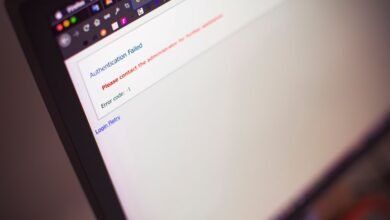
The guide outlines a disciplined approach to accessing the 168.1.167 router and establishing a secure baseline. It presents clear steps for locating the login page, authenticating with known credentials, and applying initial configurations. It then covers essential security, firmware, and Wi-Fi settings, plus backup and maintenance routines. The procedure emphasizes monitoring and documentation to sustain reliability, with a careful attention to potential threats. A practical implication invites closer examination of each stage.
How to Find the 168.1.167 Router Login Page
To locate the router login page for 168.1.167, users should identify the router’s IP address, typically documented on the device label or in the manual.
The next step is to enter that address in a web browser, load the login interface, and prepare for network management tasks.
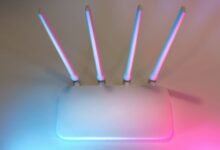

This procedure centers on router login and precise configuration.
Step-by-Step Login and Initial Setup
Access to the router’s admin interface begins with a trusted login sequence: the user opens a web browser and navigates to the router’s IP address, then enters the default or previously configured credentials.
Step-by-step, the process establishes initial access, prompts for confirmation, and documents the setup procedures while ensuring accurate user authentication before configuring basic settings and network parameters.
Essential Security, Firmware, and Wi‑Fi Config
Essential security, firmware, and Wi‑Fi configuration focuses on establishing robust defenses, keeping software current, and ensuring reliable wireless performance.
The guide highlights updating firmware promptly, configuring strong encryption, and disabling unused services to minimize security vulnerabilities.
It prescribes access controls, regular review of logs, and monitoring for unauthorized remote access while preserving user autonomy and network resilience through disciplined, informed management.
Backup, Troubleshooting, and Ongoing Maintenance
Regular maintenance, data protection, and problem resolution follow from prior security and configuration measures, establishing routines that sustain operational stability.
The procedure emphasizes a disciplined approach to backup, troubleshooting, and ongoing maintenance.
Execute a formal backup checklist prior to changes, verify integrity, and document results.
Schedule firmware updates, monitor network behavior, and implement corrective actions promptly to minimize disruption and preserve freedom of operation.
Frequently Asked Questions
Can I Access the Router Remotely From Outside My Network?
Remote access is possible only through secure methods; a VPN setup is required. The device should enable remote connections, with strong authentication and firewall rules. Configure port forwarding cautiously, monitor access logs, and enforce least-privilege network rights.
How Do I Reset the Router to Factory Defaults?
The reset procedure to factory reset the router requires holding the reset button for ten seconds, then reconfiguring remote access and parental control features anew, ensuring the device restores defaults while preserving user autonomy and security posture.
What Parental Controls Are Available on This Model?
Parental Controls are limited; the model offers basic filtering and site blocking, plus time schedules. QoS Settings, Remote Access, DNS Configuration, Mobile App Support, and Firmware Updates are accessible, though capabilities vary by firmware version and device.
How Can I Change the Router’s Default DNS Servers?
To change DNS, access the router’s admin interface, navigate to WAN or Internet settings, and replace the primary and secondary addresses with desired DNS servers; save changes and reboot if required. Then, update firmware to ensure compatibility.
Is There a Mobile App for Managing the Router?
Swiftly, yes: a mobile app exists for managing the router, with commands for monitoring, configuring, and updating. It supports firmware update processes, providing precise prompts. The detached observer notes user freedom while ensuring secure, systematic administration.
Conclusion
This guide presents a precise, procedural approach to accessing and securing the 168.1.167 router. With methodical steps for locating the login page, performing initial setup, and enforcing strong security, firmware, and Wi‑Fi configurations, the process emphasizes consistent backups and vigilant maintenance. Ongoing monitoring and disciplined documentation ensure reliable operation. Will users implement the recommended safeguards and verify each configuration change to sustain a robust, resilient network?