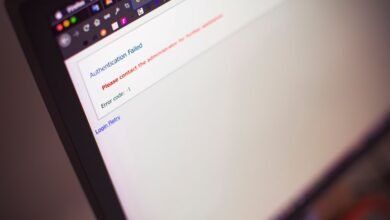
The 24..1.53 Invalid Network Address Error Guide explains how malformed addresses disrupt routing and authentication. It identifies common triggers, such as missing octets, extra punctuation, or non-numeric characters. The guide outlines a progression from quick checks to in-depth configuration reviews. It emphasizes consistent addressing schemes and correct DNS or gateway settings. Neither diagnosing nor fixing steps are trivial, and the guidance invites careful, methodical work before proceeding to more complex scenarios. The next steps promise practical, structured fixes.
What the 24..1.53 Error Really Means
The 24..1.53 error indicates that a network address is malformed or misformatted, preventing proper routing or address resolution. It signals an invalid address surface in network troubleshooting, where precision matters. The issue may affect device authentication during access attempts and complicate router configuration. Resolution demands structural validation of inputs, consistent addressing schemes, and careful verification of DNS and gateway settings.
Common Scenarios That Trigger the Error
Common scenarios triggering the 24..1.53 error include inputs with malformed IP addresses, such as missing octets, extra punctuation, or non-numeric characters embedded in the address.


In practice, these cases arise from user mistakes or inconsistent validation, highlighting an unrelated topic tendency to confuse formats and a random concept of misinterpretation.
This clarity supports disciplined, freedom-seeking troubleshooting without unnecessary ambiguity.
Step-by-Step Fixes From Quick to Advanced
To address the invalid network address error efficiently, the approach progresses from quick checks to deeper configuration reviews, ensuring each step builds on the previous one.
This section outlines structured, actionable fixes, advancing from simple verifications to advanced adjustments.
two word idea1, two word idea2, are employed as guiding concepts to streamline diagnostics and preserve user autonomy during resolution.
How to Prevent the Error and Verify Connectivity Across Devices
Preventing the invalid network address error and confirming device connectivity require a disciplined, multi-layer approach.
Organizations implement consistent text formatting and standardized naming schemes to reduce ambiguity.
Network diagrams and device inventories aid verification across platforms, ensuring alignment.
Regular audits, firmware updates, and secure configurations reinforce reliability.
Design aesthetics influence usability without compromising function, guiding clear diagnostics and cohesive, scalable connectivity across devices.
Frequently Asked Questions
Can This Error Affect Only IPV4 Addresses?
IPv4 specificity: the error can affect IPv4 addresses more directly, though DNS involvement may also influence IPv6 handling. It is not exclusively IPv4; misconfigurations or parsing issues can impact both protocols depending on system rules and resolution behavior.
Is DNS Resolution Involved in This Error?
DNS resolution may be involved in the error, depending on how the hostname is resolved within the Network configuration. It reflects a dependency on DNS resolution alongside standard Network configuration steps and potential routing checks.
Does Mobile Data Behave Differently Than Wi-Fi?
Mobile data behaves differently from Wi‑Fi in routing and network handling. The need for VLAN tagging, router firmware, and LAN settings varies; however, both paths rely on proper addressing. A flexible approach clarifies differences and avoids misconfiguration.
Can Antivirus Software Cause This Error?
Antivirus interference can cause network address issues by blocking or altering traffic, while adblock impact may restrict certain connections. The responsible approach balances protection and usability, ensuring security layers do not disrupt essential network addressing or access freedoms.
Should I Reset Network Hardware as a First Step?
Resetting network hardware can be a prudent first step to rule out simple connectivity issues. Network hardware, Error isolation, Mobile vs Wi Fi, DNS involvement, Antivirus impact, IPv4 vs IPv6 are considered in evaluation. Hardware reset, First step.
Conclusion
The 24..1.53 invalid network address error signals malformed addressing that disrupts routing and authentication. Misplaced punctuation, missing or extra octets, and non-numeric characters commonly trigger it, often across devices or DNS/gateway configurations. A disciplined, stepwise approach—from quick checks to advanced config reviews—restores consistency and connectivity. Visualize the process as a tightly woven net being repaired strand by strand, each corrected thread strengthening the whole network like a repaired spiderweb catching clearer signals.