The guide for the 168.100.39 router outlines a precise sequence: connect, log in, and verify basic status data. It then details Quick Setup for a distinct SSID and a strong, memorable password, with ongoing emphasis on security enhancements. Readers will encounter steps for encryption, guest networks, admin protections, and DNS checks, followed by documentation and testing. The method is clear, but the implications and edge cases merit careful consideration before proceeding.
How to Access the 168.100.39 Router Admin Page
To access the 168.100.39 router admin page, a device must be connected to the router’s network, either via Ethernet or a secure Wi‑Fi connection.
The user navigates to http://168.100.39 in a browser, authenticates with provided credentials, and reviews basic status.


Emphasis is on consistency testing and jargon avoidance to maintain clarity and freedom.
Quick Setup: Configuring WiFi Name and Password
The Quick Setup step covers configuring the WiFi network name (SSID) and its password in a concise, repeatable sequence.
The procedure selects an SSID reflecting preference for freedom, then generates a strong password, avoiding common patterns.
Users consider quirky passwords carefully, balancing memorability and security.
Default analytics notify on connection status, ensuring reliable operation before proceeding to advanced configurations.
Strengthening Security: Encryption, Guest Networks, and Admin Protections
With the groundwork of selecting an appropriate SSID and a strong password established, attention shifts to fortifying router security through encryption, guest network configuration, and administrative protections.
Implement WPA3 or equivalent, segregate guest access, disable WPS, and strengthen admin interfaces with strong credentials and IP whitelisting.
Regular security auditing and timely firmware updates ensure resilience and sustained freedom from intrusion.
Troubleshooting Common Login and Connectivity Issues
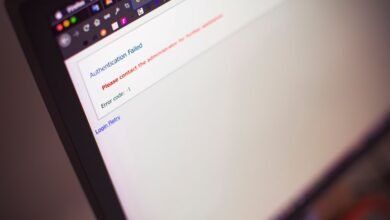
Common login and connectivity issues typically arise from misconfigurations, conflicting network settings, or outdated firmware. The guide outlines diagnosing steps: verify IP schema, ensure correct network protocols, and check for DNS inconsistencies. Apply targeted firmware updates, reset to known-good defaults if necessary, and reconfigure with minimal changes. Document changes, test connectivity, and maintain a log for ongoing reliability and user autonomy.
Frequently Asked Questions
Can I Access the Router From a Vpn-Connected Device?
Access may be possible if VPN access is configured to the router’s local network; however, remote access policies and security settings often restrict it. The answer: router login requires proper VPN access, authentication, and mindful reset downtime avoidance; app features vary.
How Do I Reset the Router to Factory Defaults?
“Where there’s a will, there’s a way.” A technician notes: to reset the router, press and hold the reset button for ten seconds, release, then power-cycle. This initiates a factory reset, restoring default settings and configurations.
Is There a Mobile App for Router Management?
There is no dedicated mobile app for router management. If available, a vendor-provided app may offer mobile app features and firmware update alerts, but functionality varies; users seeking control should rely on the web interface for full configuration.
Can I Schedule Wifi On/Off Without Automation?
Schedule wifi on/off without automation is not feasible in most routers; manual control is required. The user can access router settings, navigate to wireless or schedule sections, and apply a temporary off/on command when needed.
Do Parental Controls Affect Guest Networks as Well?
Parental controls typically apply to main networks and can be restricted from guest networks, depending on firmware. They must co-exist with Firewall rules, DNS filtering, and Guest networks, ensuring policy clarity while preserving user freedom and network accessibility.
Conclusion
In sum, users access the 168.100.39 admin page, authenticate securely, and verify status details. In Quick Setup, they configure a distinct SSID and strong, memorable password. In Security, they employ robust encryption, establish a guest network, disable WPS, enforce strong admin credentials, and apply IP whitelisting. They perform firmware and DNS checks, document every change, and test connectivity. They repeat this process for reliability, repeatability, and clear, traceable results.